All Categories
Featured
Scaling Performance Through Transformative Digital Archit...
Transforming Cloud Infrastructure for the Digital Era

Driving the Convergence of AI and Cloud Architecture
Maximizing Performance Through Next-Gen Digital Architectures
Table of Contents
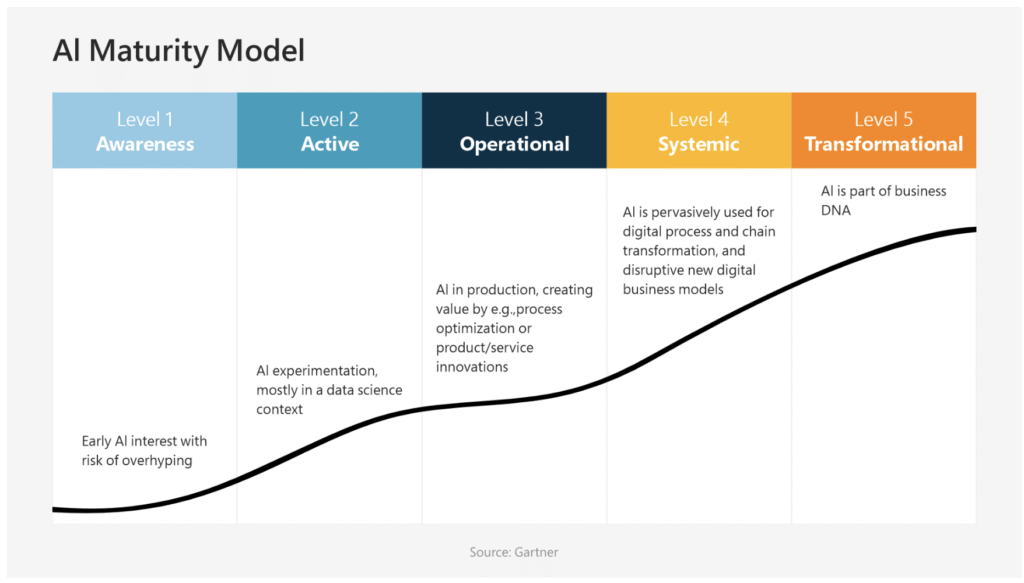
Successful business follow a set of tested business AI finest practices. These include aligning AI with service value, developing strong information governance, investing in human skills, ensuring ethical AI usage, and continually measuring efficiency and ROI. Enterprises must also accept change management, as AI adoption frequently interferes with standard roles and procedures.
The Enterprise AI Adoption Roadmap 2026 is a practical guide for companies aiming to navigate digital change sustainably. Companies that approach AI with clear objectives, a well-planned implementation, and assistance from an experienced AI speaking with business can unlock higher organization value while lessening application risks. They won't just keep up with change; they will be positioned to lead in an AI-driven economy.
It's a leadership top priority and a fundamental capability that will shape how businesses operate and contend in the years ahead. Business AI adoption is the strategic combination of AI innovations throughout an organization to enhance performance, decision-making, and development. Many companies start by recognizing high-impact company issues where AI can realistically add value, then run small pilot projects before scaling.
Yes. Without a clear method, AI efforts often become scattered experiments that don't translate into real company results. AI depends upon premium, well-governed data. Data readiness is a bigger obstacle than selecting the ideal AI tools. Not necessarily. Many companies integrate a small group of specialists with upskilling existing groups and utilizing external partners or platforms.
Empowering Organizational Shift Through Strategic Integration Models
The widespread adoption of Expert system (AI) in customer service has become progressively crucial for businesses looking for to provide exceptional consumer experiences. According to current research study, the global market for AI in customer support is projected to reach $11.5 billion by 2025, highlighting the growing importance of AI adoption. However, achieving widespread AI adoption and enjoying its complete advantages requires cautious planning, strategic implementation, and cooperation in between consumer operations, contact center supervisors, and IT specialists.
By following these steps, you can lead the way for AI combination and substantially enhance consumer experiences. Services increasingly use Artificial Intelligence (AI) to improve operations and boost client experiences. For a smooth AI adoption procedure, it is crucial to follow a distinct roadmap. Here's an 8-step roadmap that can assist companies towards successful AI integration below.
AI systems count on vast quantities of information to find out and make precise forecasts or suggestions. Work carefully with your IT department to evaluate your data readiness. Evaluate the schedule, quality, and compatibility of your information throughout various systems. Make sure proper data governance, security, and compliance procedures are in place to support AI integration.
Navigating the Synergy of Artificial Intelligence and Cloud Technology
Team up with IT specialists to evaluate various AI platforms, tools, and services that align with your objectives. Prior to carrying out AI on a large scale, it is suggested to pilot and test the technology in a regulated environment.
How to Fast-Track Transformation With Advanced AI SystemsThis pilot stage permits fine-tuning and modifications before major execution. Use the knowledge of contact center supervisors and IT professionals to monitor and examine the pilot's results. Carrying out AI in client service includes considerable changes for both consumers and workers. Establish a thorough modification management strategy that resolves communication, training, and support needs.
Interact the objectives, benefits, and anticipated impact of AI adoption clearly to all stakeholders. As soon as you have actually finished the required preparations, it's time to carry out AI into your customer care facilities. Work together carefully with your IT department or AI vendor to perfectly integrate the technology into your existing systems. Make sure correct data connection, system compatibility, and security procedures remain in place.
Throughout the AI adoption procedure, carefully screen and analyze key performance indications (KPIs) related to customer support. Track metrics such as reaction time, first contact resolution rate, customer fulfillment ratings, and representative performance. By comparing pre and post-implementation information, you can evaluate the effect of AI on these metrics and recognize locations for enhancement.
Mastering an AI Strategy for 2026
AI systems rely on huge amounts of information to discover and make accurate predictions or suggestions. Assess the accessibility, quality, and compatibility of your data throughout different systems.
Collaborate with IT professionals to evaluate various AI platforms, tools, and solutions that line up with your goals. Think about factors such as scalability, ease of combination, vendor credibility, and continuous assistance. Talk about with market specialists or specialists to help in innovation examination and choice. Prior to executing AI on a big scale, it is recommended to pilot and test the innovation in a controlled environment.
This pilot phase permits fine-tuning and adjustments before full-blown execution. Tap into the expertise of contact center managers and IT experts to keep track of and evaluate the pilot's outcomes. Carrying out AI in client service includes considerable changes for both customers and staff members. Develop a comprehensive change management strategy that deals with communication, training, and support needs.

Team up closely with your IT department or AI supplier to perfectly integrate the technology into your existing systems. Make sure proper information connection, system compatibility, and security procedures are in location.
Mastering the Intersection of Artificial Intelligence and Digital Technology
Throughout the AI adoption procedure, closely monitor and examine crucial efficiency indications (KPIs) related to customer care. Track metrics such as action time, very first contact resolution rate, customer satisfaction scores, and representative performance. By comparing pre and post-implementation data, you can examine the effect of AI on these metrics and identify areas for improvement.

Latest Posts

Scaling Performance Through Transformative Digital Architectures

Navigating the Global AI Landscape

Transforming Cloud Infrastructure for the Digital Era